Agarwood can vary greatly in value because desirable aromatic character, rarity, material form, resin content and other characteristics do not occur equally in every piece.
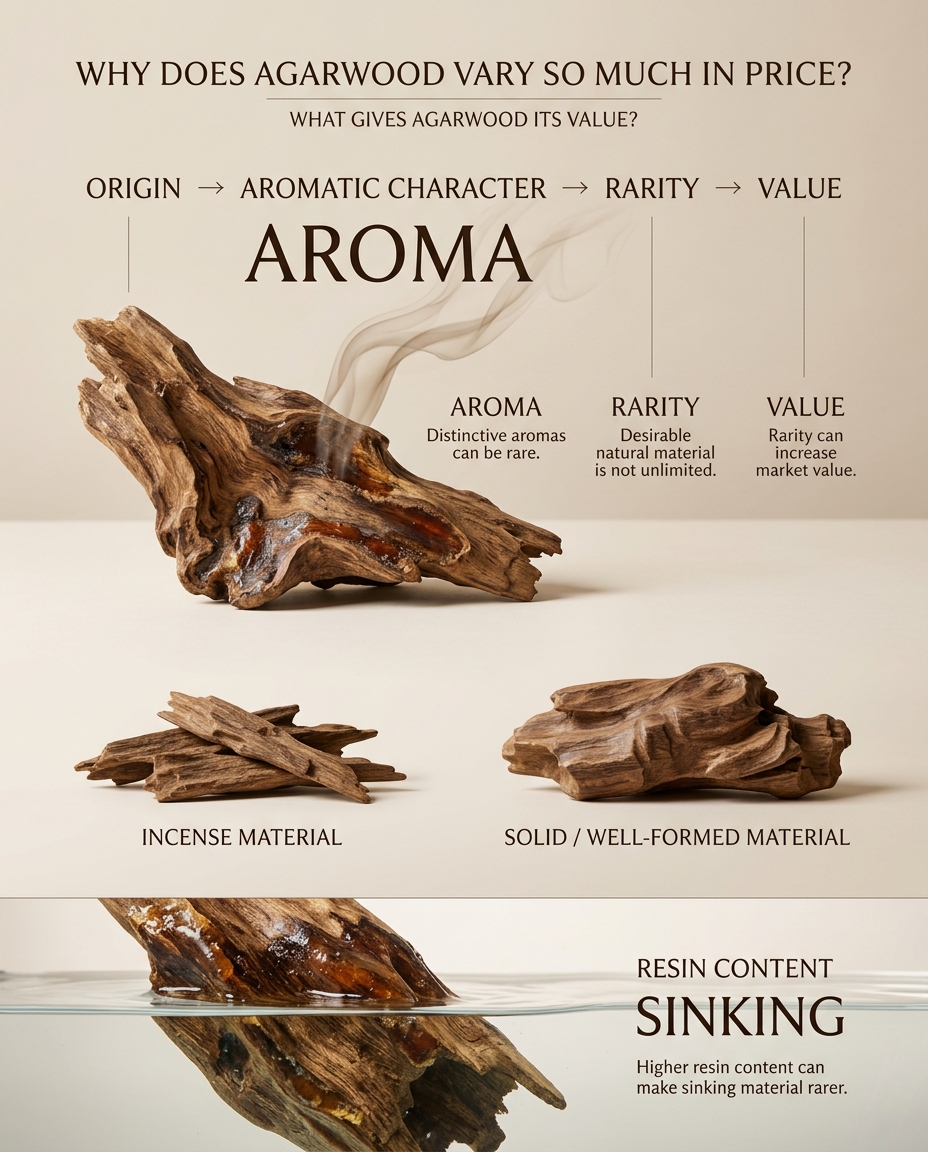
Value Starts With Aromatic Character
One of the most important ways people experience agarwood is through its aroma. Agarwood from different origins, trees and formation conditions can develop different aromatic characteristics.
Some aromatic profiles are especially distinctive or desirable, and materials that express those characteristics may be relatively uncommon. This is one reason aroma and rarity can become closely connected to value.
Origin can be connected to aromatic character. Desirable aromatic character can be scarce. Scarcity can contribute to market value.
Material Form Also Matters
Agarwood is encountered in many physical forms. When other characteristics are comparable, the form and structure of the material can affect how it is valued and used.
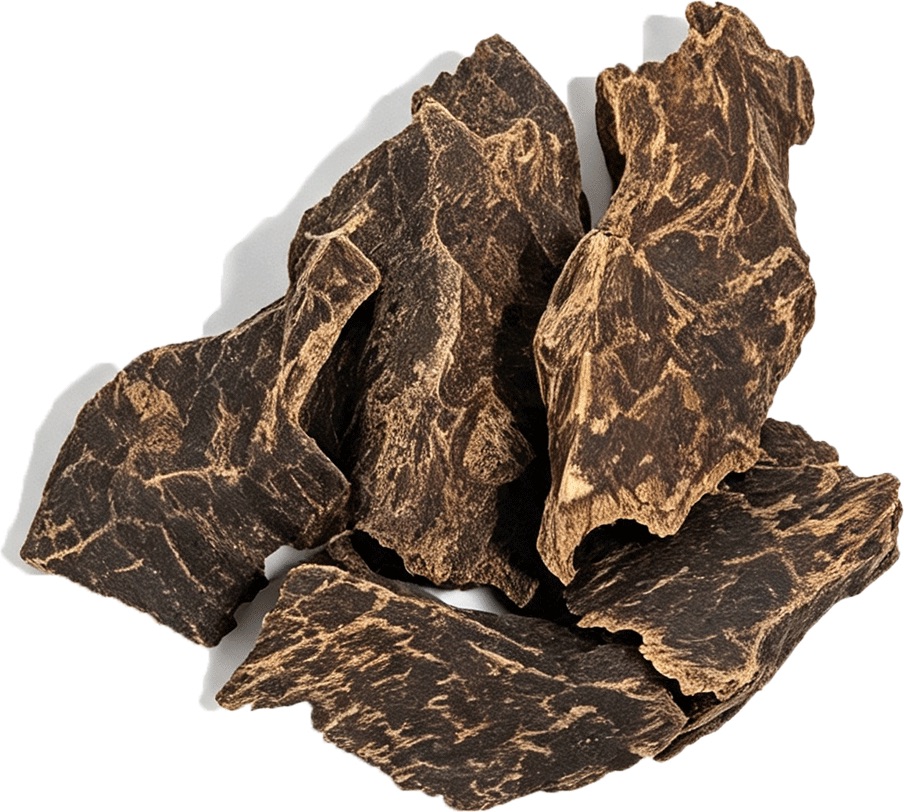
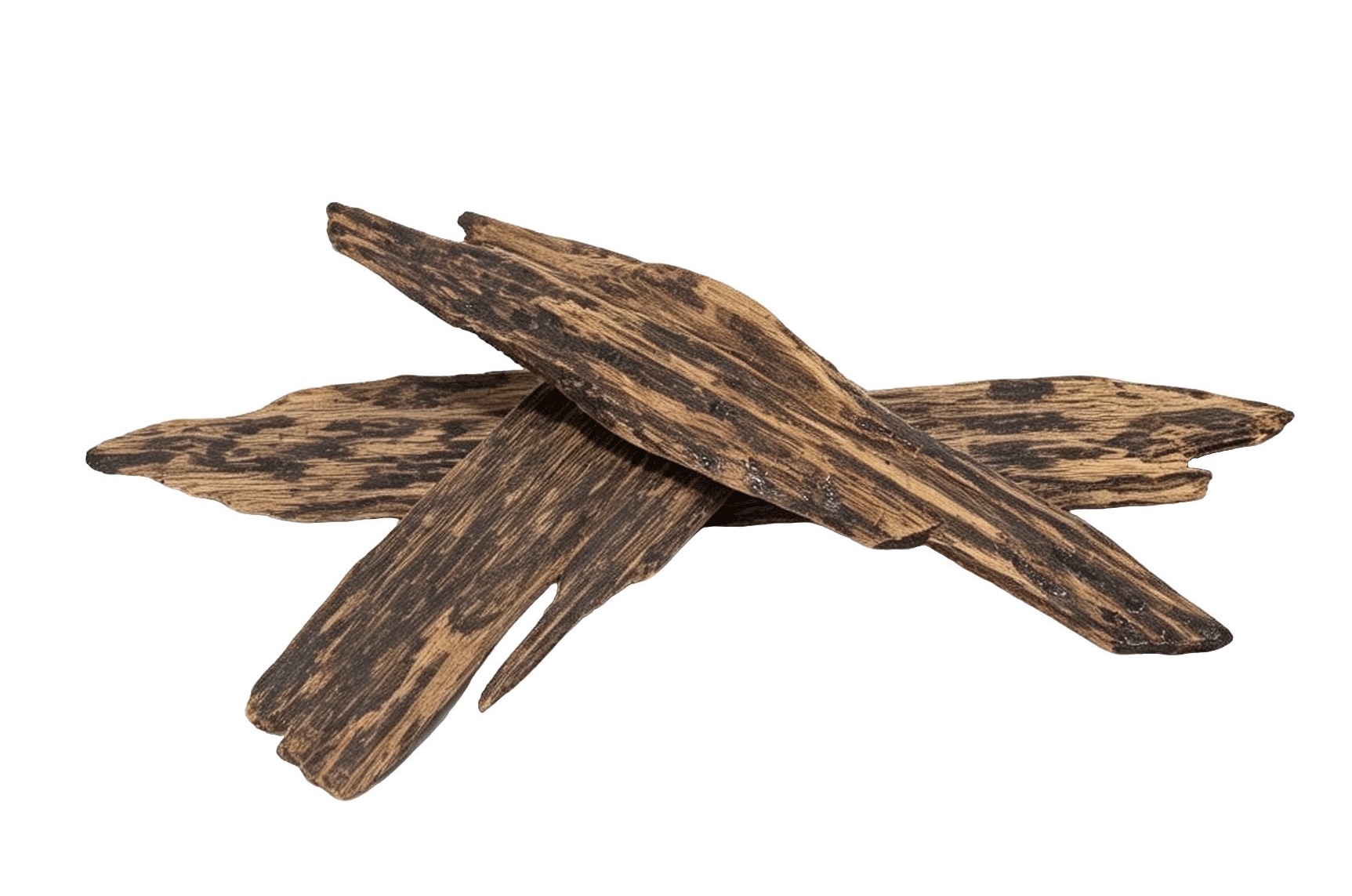
Incense Material
Smaller or thinner pieces can be valued primarily for their aromatic use as incense.
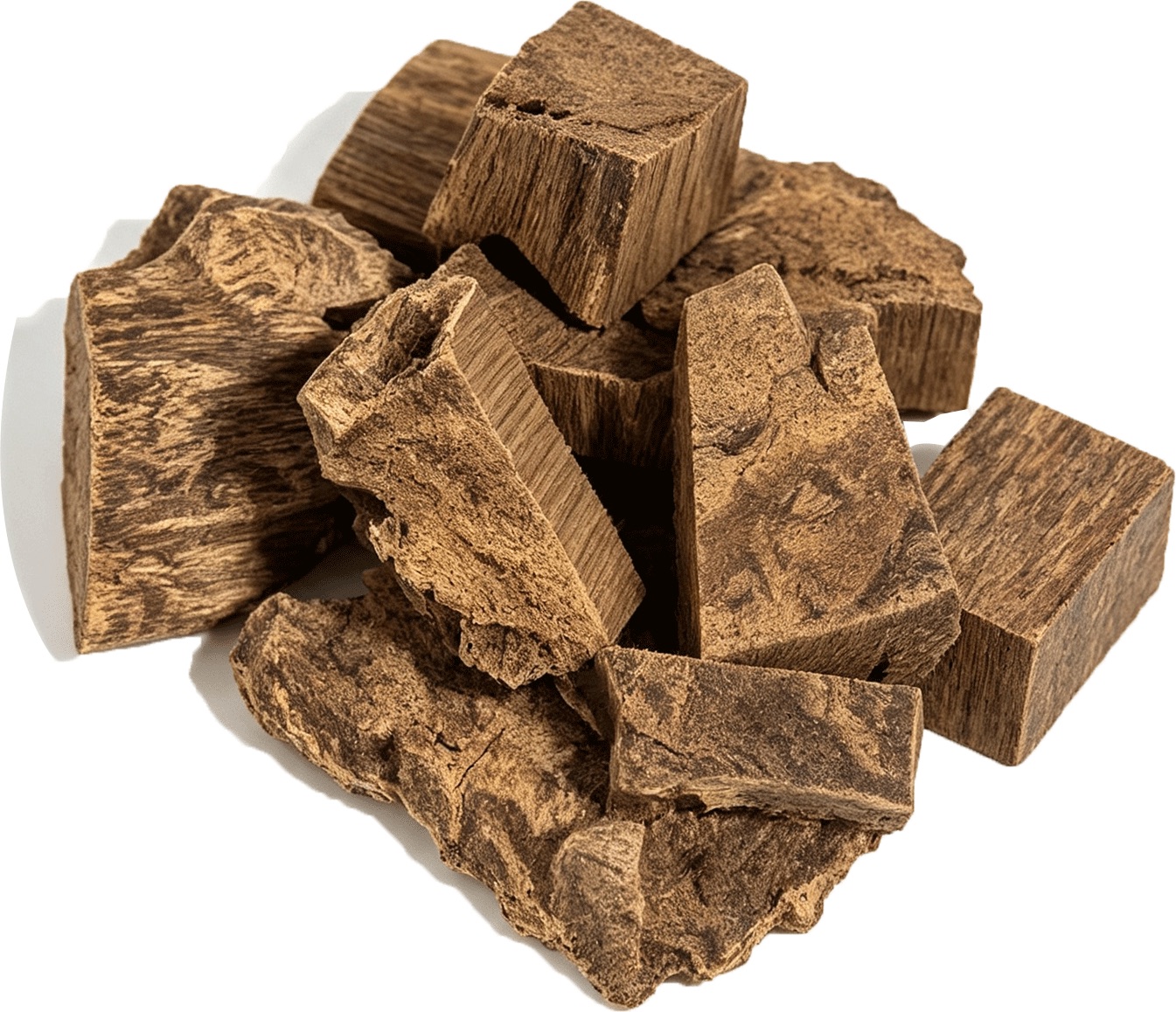
Solid / Well-Formed Material
More substantial, well-formed pieces can have additional value when their structure, appearance or potential for carving and collecting is relevant.
Resin Content and Distribution
Resin content is another important characteristic. The amount and distribution of resin within agarwood can vary considerably from one piece to another.
For beginners, sinking agarwood is a useful simple concept: material with sufficiently high density from resin can sink in water. Such material is relatively uncommon, so if sinking material is specifically desired, the budget can be higher.
Sinking should not be treated as a universal formula for price. Value still depends on the material's aromatic character, origin, form, resin characteristics and other factors.
There Is No Single Formula for Agarwood Value
Agarwood is a natural material, so its characteristics can vary significantly even within the same broad origin or material category. Price is therefore not determined by one factor alone.
A practical way to understand value is to look at the combination:
- Origin and lineage can be connected to aromatic character.
- Aromatic character can range from common to highly distinctive.
- Rarity matters when desirable characteristics are uncommon.
- Material form affects how the material can be used, collected or worked.
- Resin content and distribution contribute to density and other material characteristics.